Versatile. Efficient. Safe.
Liquid soil compound
eingesetzt?
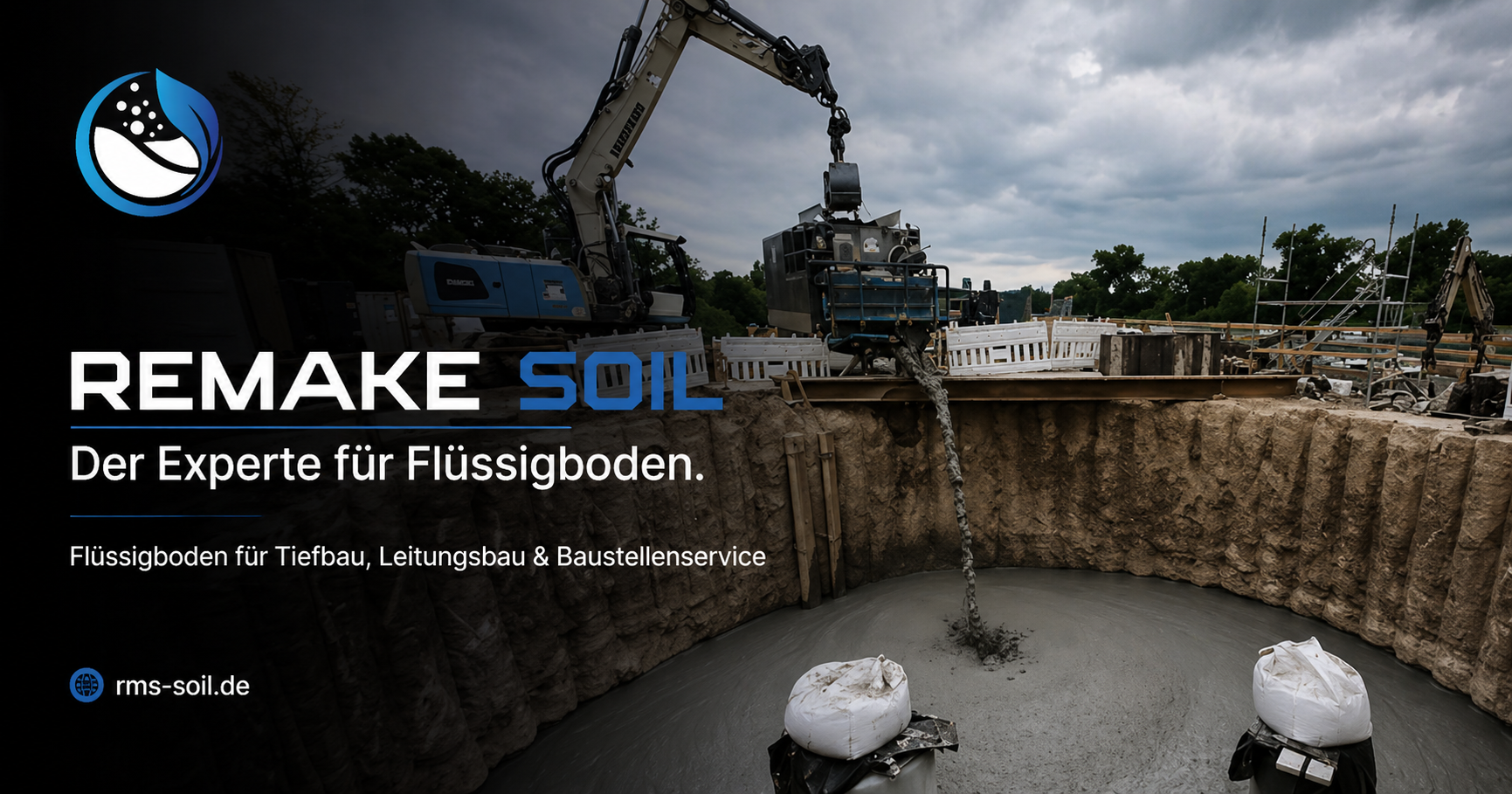
Liquid soil is used to fill trenches, excavation pits, and utility and cable routes quickly, safely, and sustainably.
Consists mainly of recycled excavated material. Saves primary resources and reduces CO₂ emissions.
By specifically using existing soil resources, not only are valuable primary raw materials conserved, but the environmental impacts that would arise from the production and transport of new materials are also significantly reduced.
This resource-efficient approach makes a major contribution to lowering CO₂ emissions and enables a particularly eco-friendly construction method without compromising the quality or performance of the material.

Binds the contaminants present in the soil and thus allows reuse in accordance with the Circular Economy Act.
Liquid soil also actively contributes to contaminant immobilization by reliably binding pollutants present in the ground and significantly reducing their mobility. This stabilizing effect allows potentially contaminated soils to be safely reused without posing any risk to humans or the environment.
This property enables sustainable use of the material in accordance with the Circular Economy Act and supports resource-efficient soil management focused on reuse and environmental responsibility.
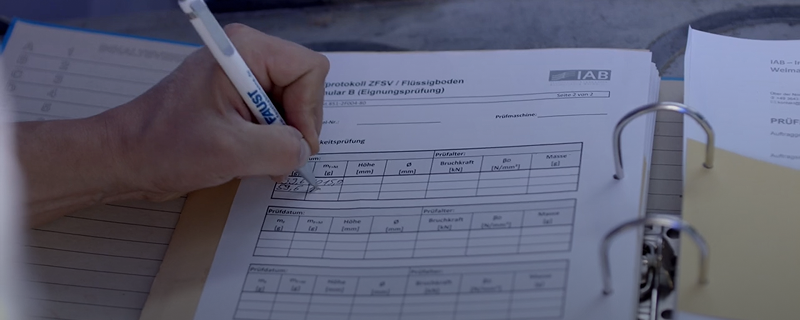
Load-bearing capacity, flow behavior, and setting time are precisely tailored to the requirements of your project.
Liquid soil is individually adjustable and can be precisely adapted to the specific requirements of your project. Both load-bearing capacity and flow behavior as well as setting time can be configured as needed, ensuring that the material has exactly the properties required for each application.
This creates a tailor-made construction material that guarantees optimal workability and long-term stability - whether for pipeline construction, ground improvement or complex infrastructure projects.
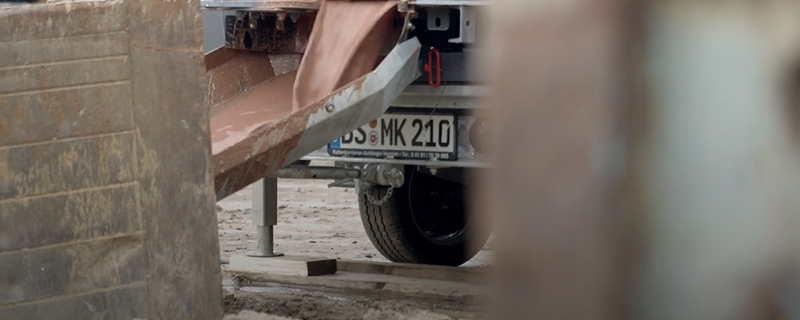
Liquid soil can be efficiently placed using pump technology. Perfect for long distances and hard-to-reach installation sites.
Liquid soil is pumpable and can be transported particularly efficiently into the excavation or to the designated installation point using modern pump technology. This makes it easy to reach long distances or hard-to-access areas without additional logistical effort. This flexible installation method ensures fast and precise processing and also allows economical use in complex construction projects where conventional transport or installation methods would reach their limits.
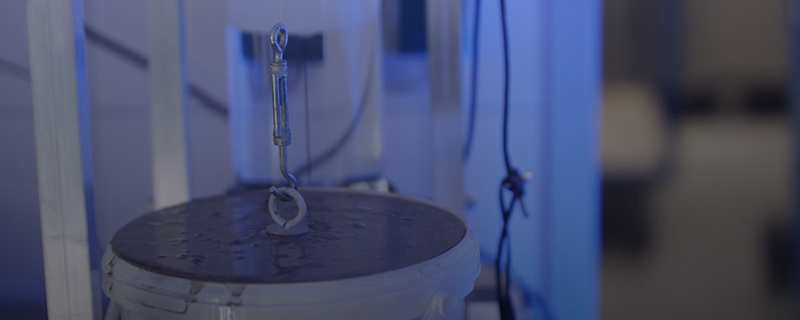
The load-bearing capacity can be individually adjusted. Perfect for construction in areas with challenging soil conditions.
Liquid soil is highly load-bearing and provides a reliable foundation for construction projects even in areas with particularly challenging soil conditions. Since the load-bearing capacity can be individually adjusted, the material can be tailored precisely to the structural requirements of the project - whether for utility trenches, traffic areas or complex infrastructure measures. This flexible optimization creates a resilient and permanently stable subsoil that supports both the safety and durability of the entire construction structure.
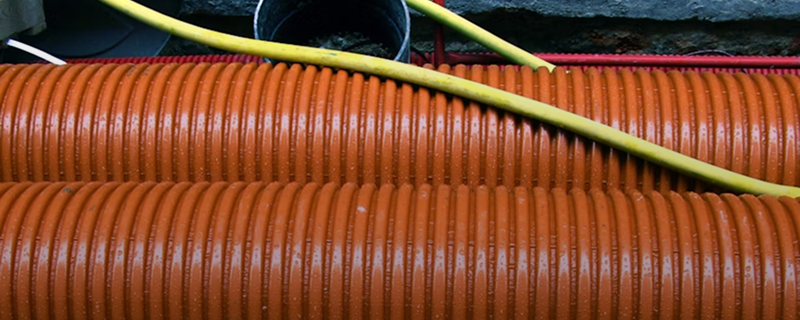
Due to its thermal conductivity, the soil is suitable for backfilling around underground cables of high-performance routes.
Liquid soil has excellent thermal conductivity and is therefore ideal for backfilling around underground cables, especially in high-performance routes. Its optimized material structure allows heat to be dissipated efficiently, reducing temperature peaks and supporting the long-term operational safety of the cables.
This controlled heat dissipation helps maintain the performance of the routes over time while ensuring proper, stable and durable embedding of the sensitive infrastructure.
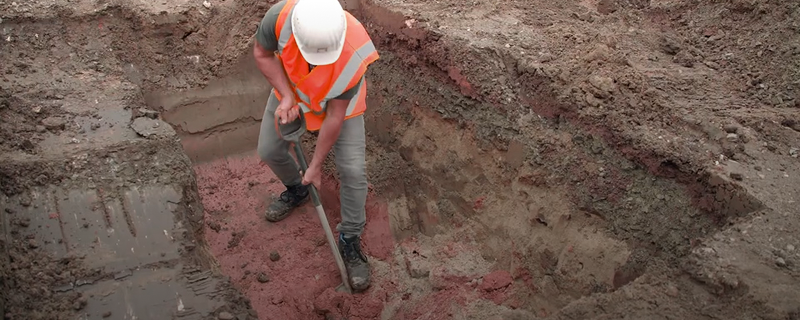
The soil’s density can be adjusted as needed. This allows it to be excavated again with a spade.
Liquid soil can be adjusted to be spade-firm by tailoring its density to the requirements of the project. This ensures that after setting, the soil is sufficiently stable yet can still be easily excavated again with a spade if needed.
This feature is especially useful in areas where later modifications or additions may be necessary without requiring heavy machinery. In this way, liquid soil combines lasting stability with high flexibility in future handling.

Meets the requirements of environmental law regarding soil, groundwater, and emissions protection
Liquid soil is environmentally compliant and meets all relevant environmental law requirements regarding soil, groundwater, and emissions protection. Thanks to its carefully balanced composition and controlled material properties, it can be used without posing any risk to the surrounding environment. Both the infiltration of potential contaminants and unwanted emissions are reliably prevented, ensuring safe and legally compliant use in sensitive areas.
This makes liquid soil a sustainable solution that combines environmental responsibility with technical performance.
Der Status Quo
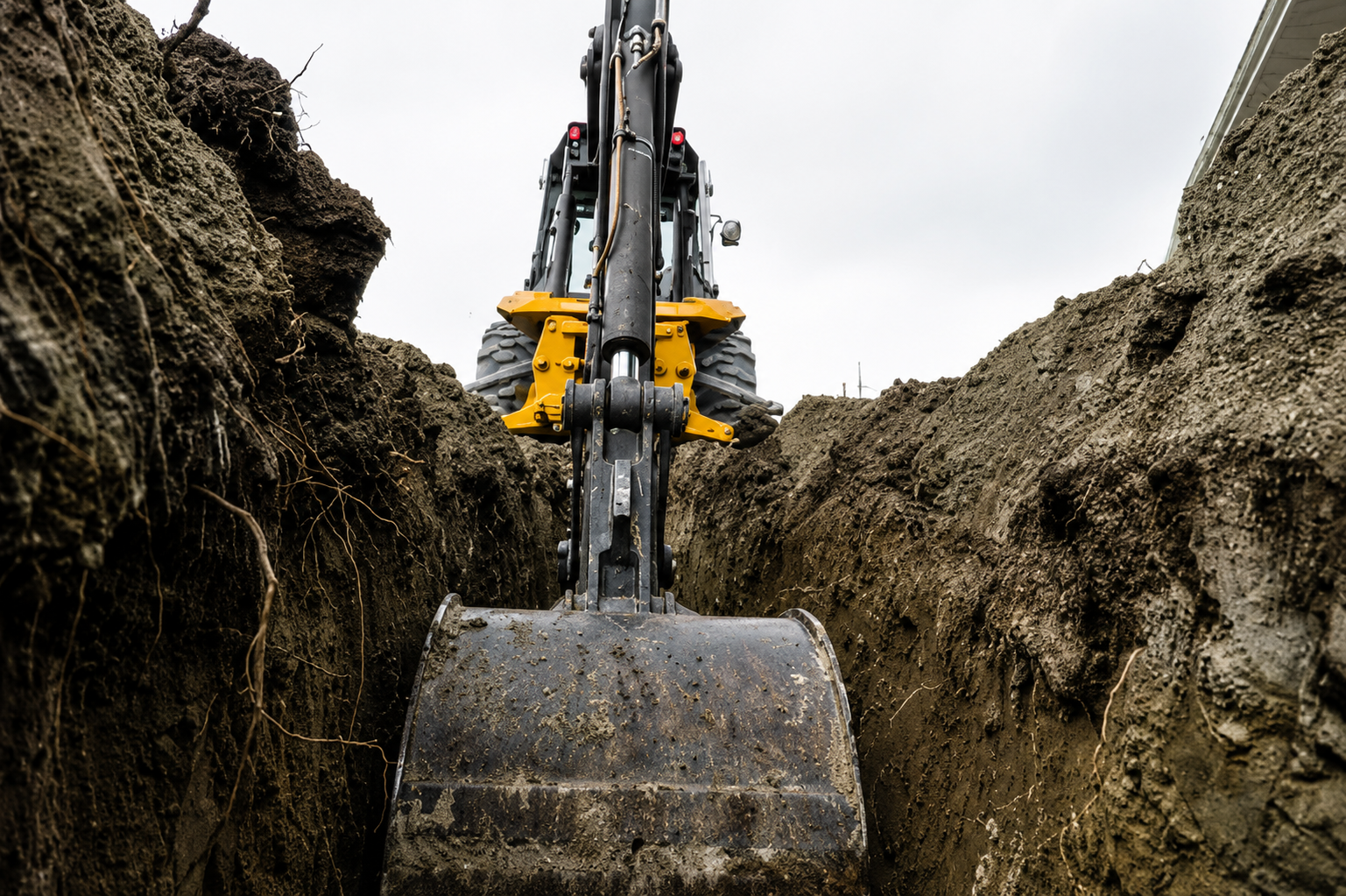
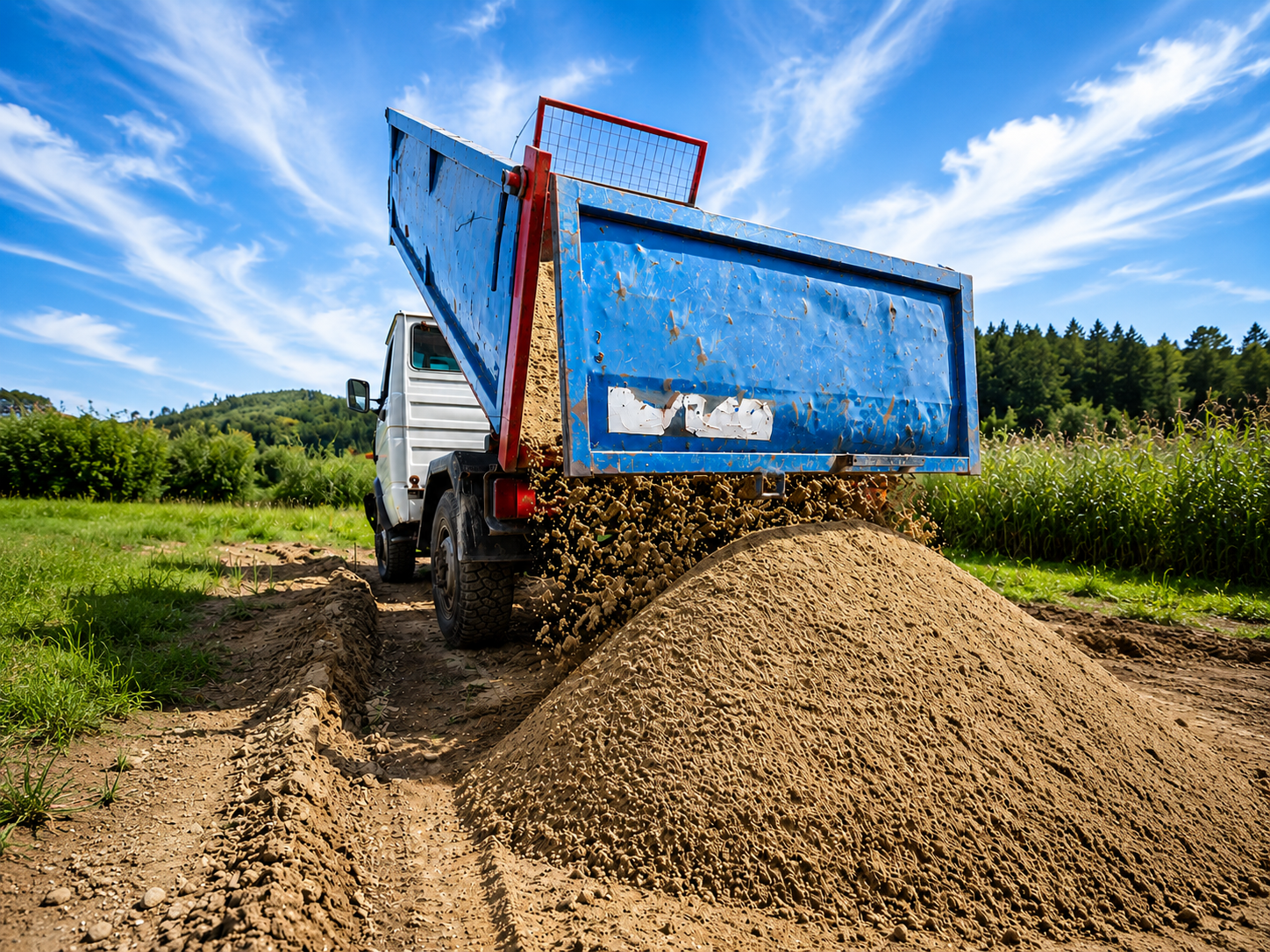
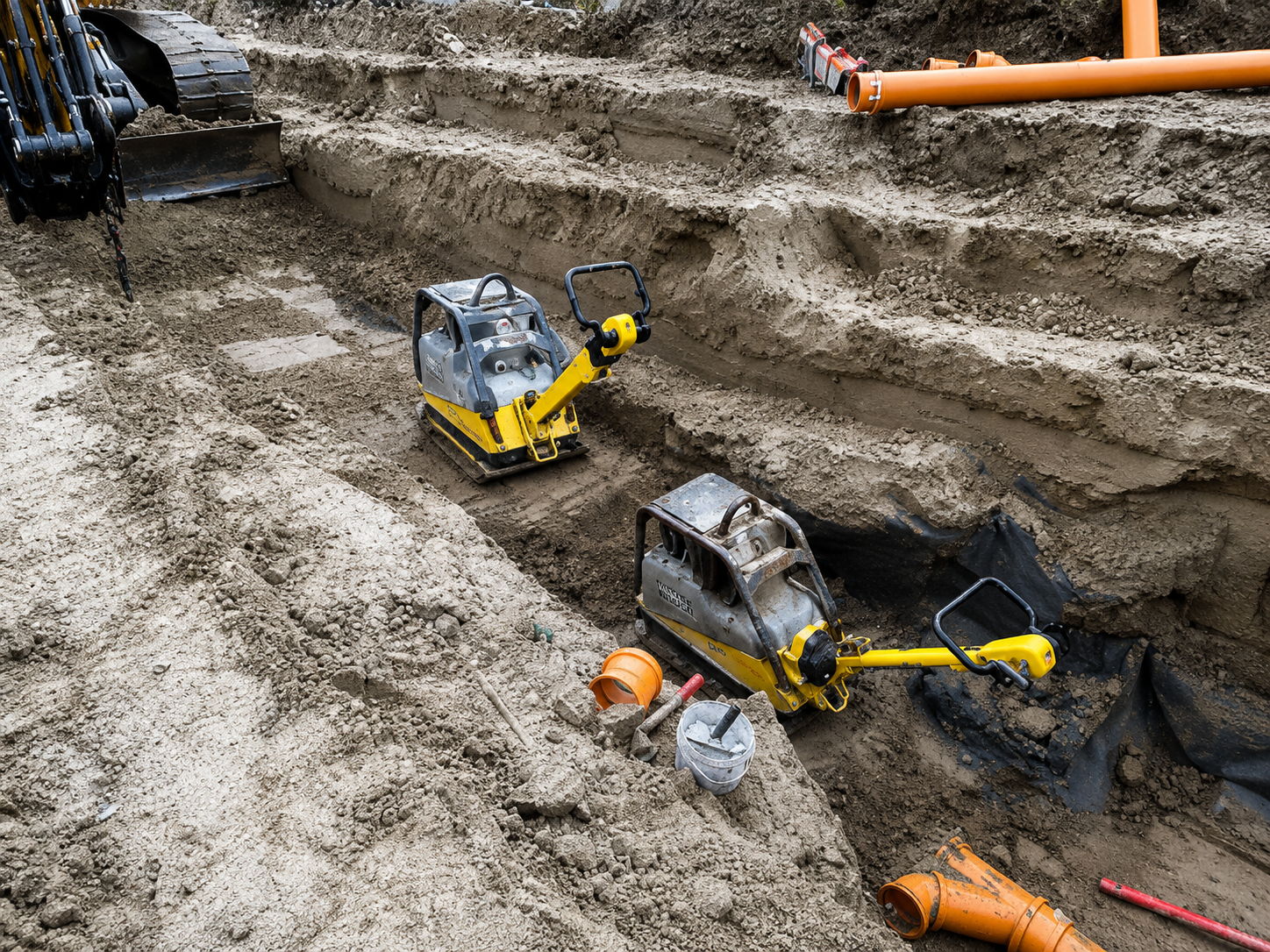
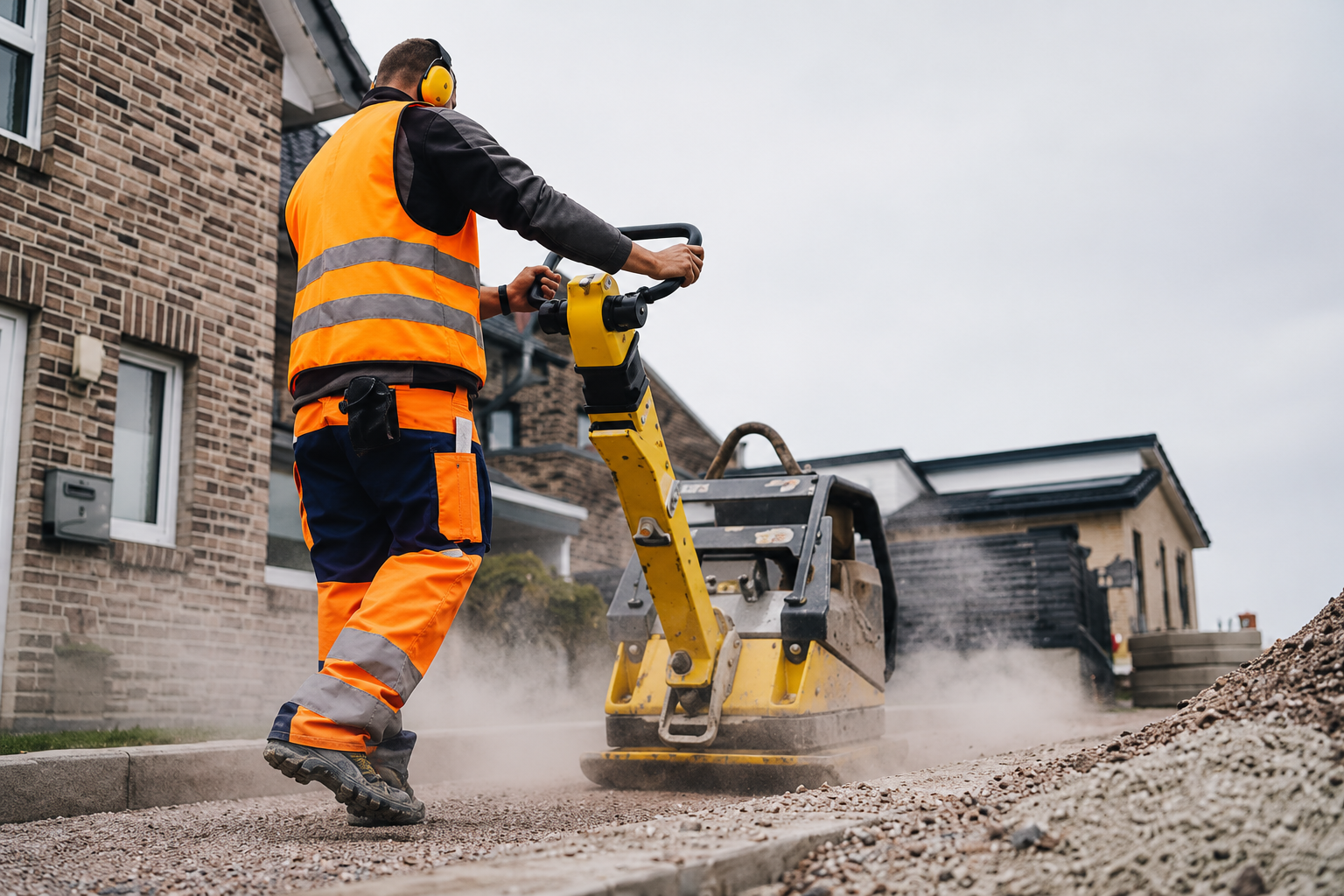
Konventionelle Verfüllung im Tiefbau folgt einem fünfstufigen Prozess. Jede Stufe bringt ihre eigenen Schwachstellen mit sich.

Definition
Vom Bodenaushub vor Ort zum tragfähigen Baustoff – in vier Aspekten erklärt.
RMS Flüssigboden bezeichnet zeitweise fließfähige, selbstverdichtende Verfüllbaustoffe (ZFSV) – sie verfüllen hohlraumfrei durch Fließen statt Verdichten.
 01
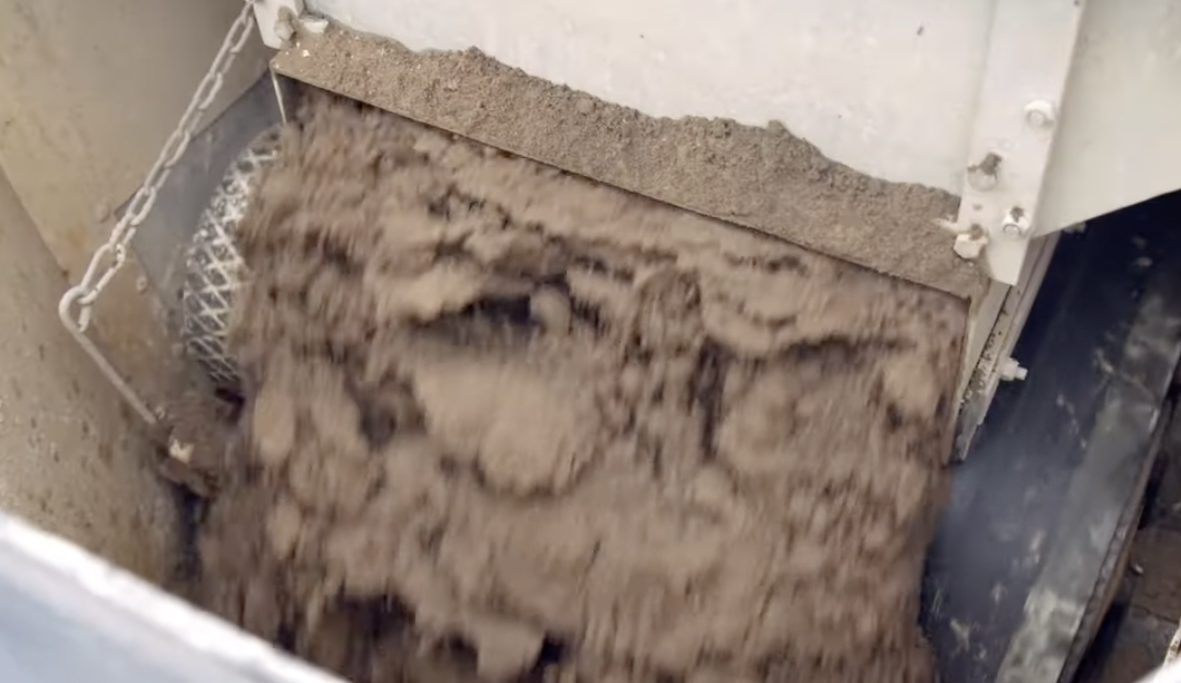
01Vorhandener Bodenaushub wird mit Wasser und speziell abgestimmten Bindemitteln – den Compounds (Plastifizierer, Beschleuniger, Stabilisatoren) – zu einem temporär fließfähigen Baustoff aufbereitet.
 02
02In der Fließphase füllt der Baustoff Hohl- und Zwischenräume vollständig aus. Nach einem definierten Zeitraum verfestigt er sich kontrolliert und erreicht dauerhaft die für den jeweiligen Anwendungsfall geforderten mechanischen und physikalischen Eigenschaften.
 03
03Der frisch hergestellte Flüssigboden wird in Graben oder Hohlraum eingebracht und verfüllt diesen gleichmäßig allein durch Fließen unter Schwerkraft – ganz ohne mechanische Verdichtung.
 04
04Besonders dort, wo konventionelle Verfüllung schwer oder fehleranfällig ist – in engen Leitungszonen, schwer zugänglichen Bereichen oder bei komplexen Geometrien.
Consists mainly of recycled excavated material. Saves primary resources and reduces CO₂ emissions.
Read more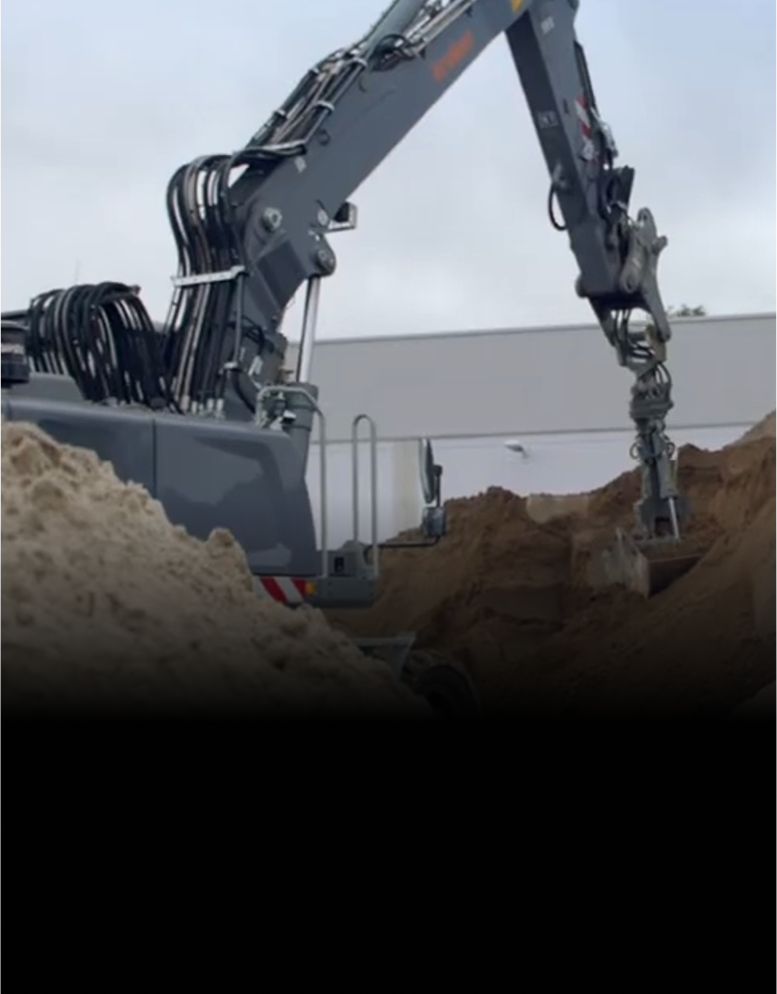
Binds the contaminants present in the soil and thus allows reuse in accordance with the Circular Economy Act.
Read more
Load-bearing capacity, flow behavior, and setting time are precisely tailored to the requirements of your project.
Read more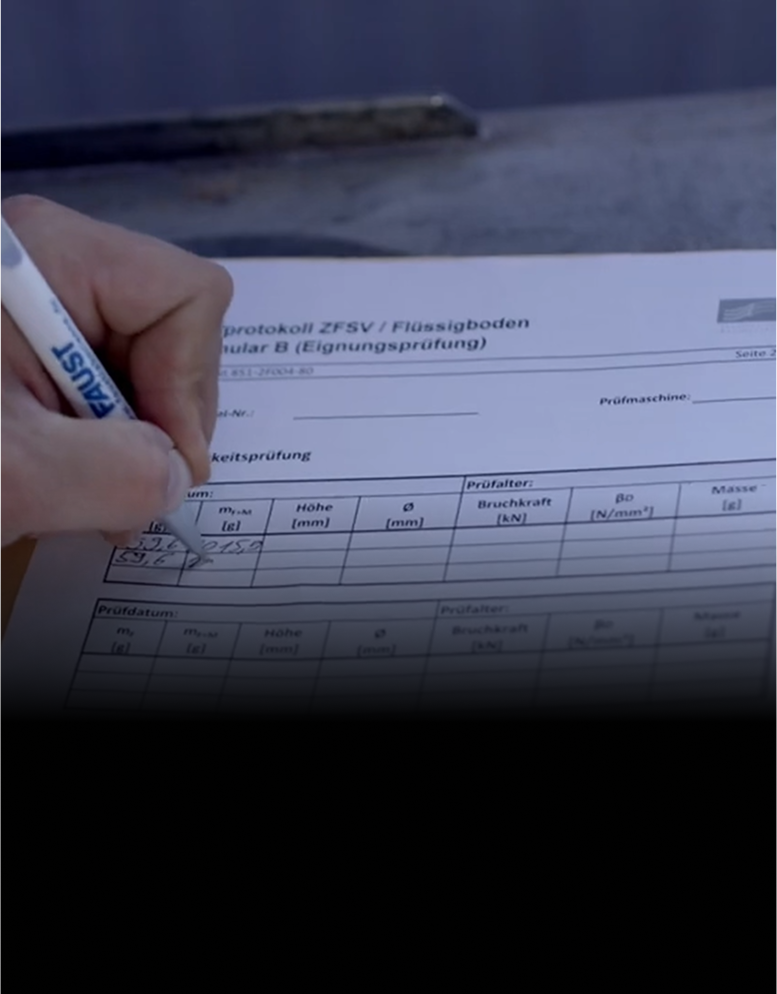
The liquid soil can be efficiently placed using pump technology. Perfect for long distances and hard-to-reach installation sites.
Read more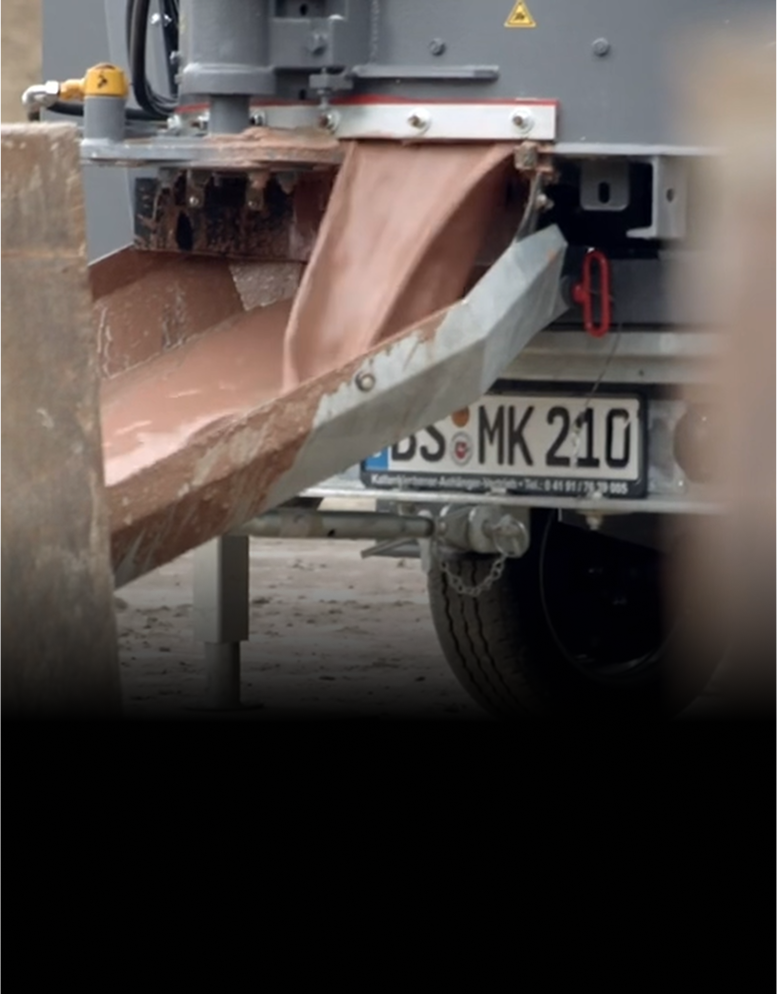
The load-bearing capacity can be individually adjusted. Perfect for construction in areas with challenging soil conditions.
Read more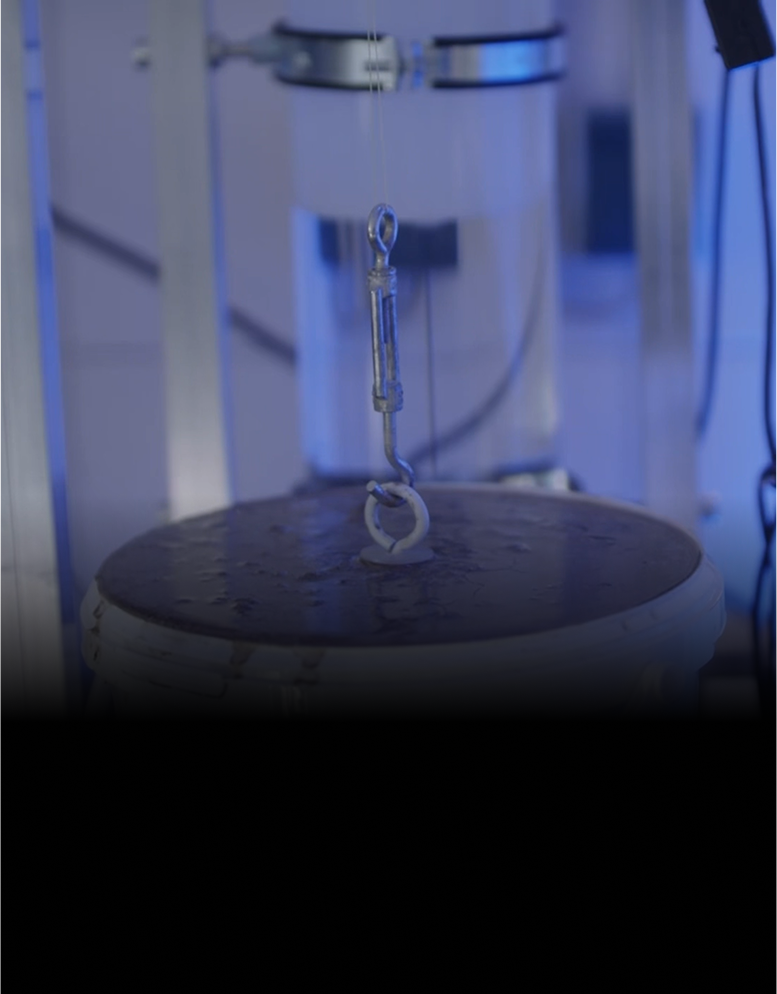
Due to its thermal conductivity, the soil is suitable for backfilling around underground cables of high-performance routes.
Read more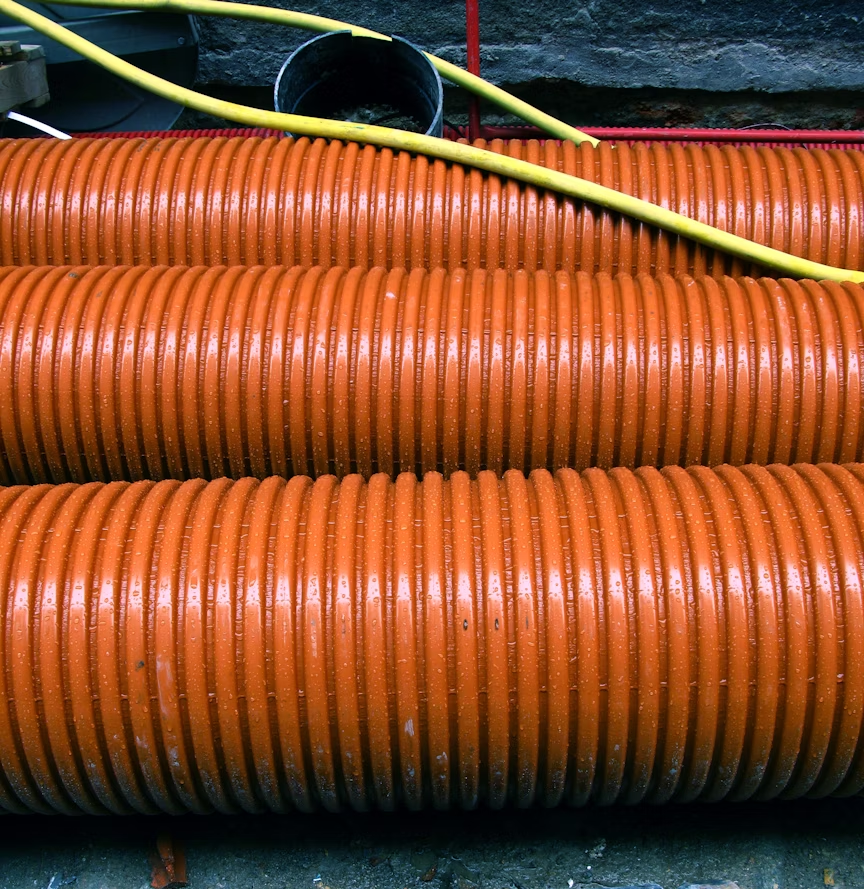
The soil's density can be adjusted as needed. This allows it to be excavated again with a spade.
Read more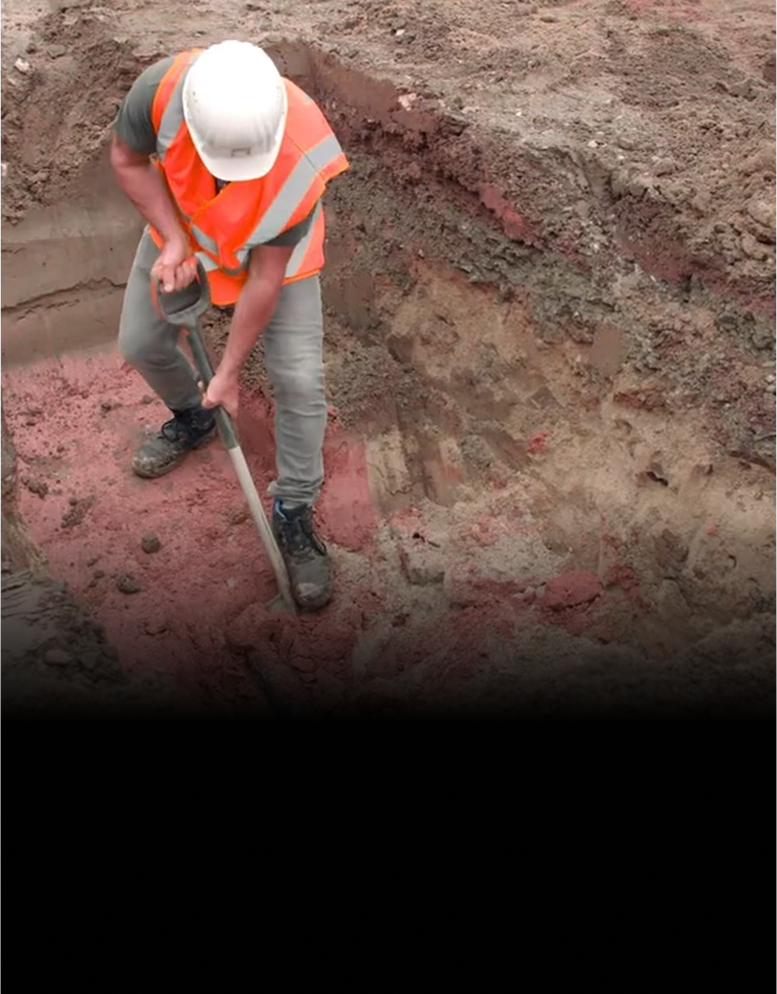
Meets the requirements of environmental law regarding soil, groundwater, and emissions protection
Read more
Consultation and ordering