liquid soil is a modern and sustainable alternative to conventional soil filling. This technology has proven particularly effective in civil engineering and pipeline construction — due to high flowability, load-bearing capacity and environmental friendliness. In this article, you will learn how liquid soil works, where it is used and why it is becoming increasingly popular in the construction industry.
Liquid soil is a temporarily flowable building material that consists of treated soil material, water and binding agents. The special feature: The liquid soil can be pumped smoothly into the excavation pit. After installation, the liquid soil loses its flowability and solidifies without the need for compaction with heavy equipment. Depending on the recipe, the load-bearing capacity and removability of the soil can be precisely adjusted.
liquid soil Describes the finished product that is placed in the excavation pit. Liquid soil is also referred to as “ZFSV”: ZEiterly freadable sElbstverdichtende Vfilling materials.
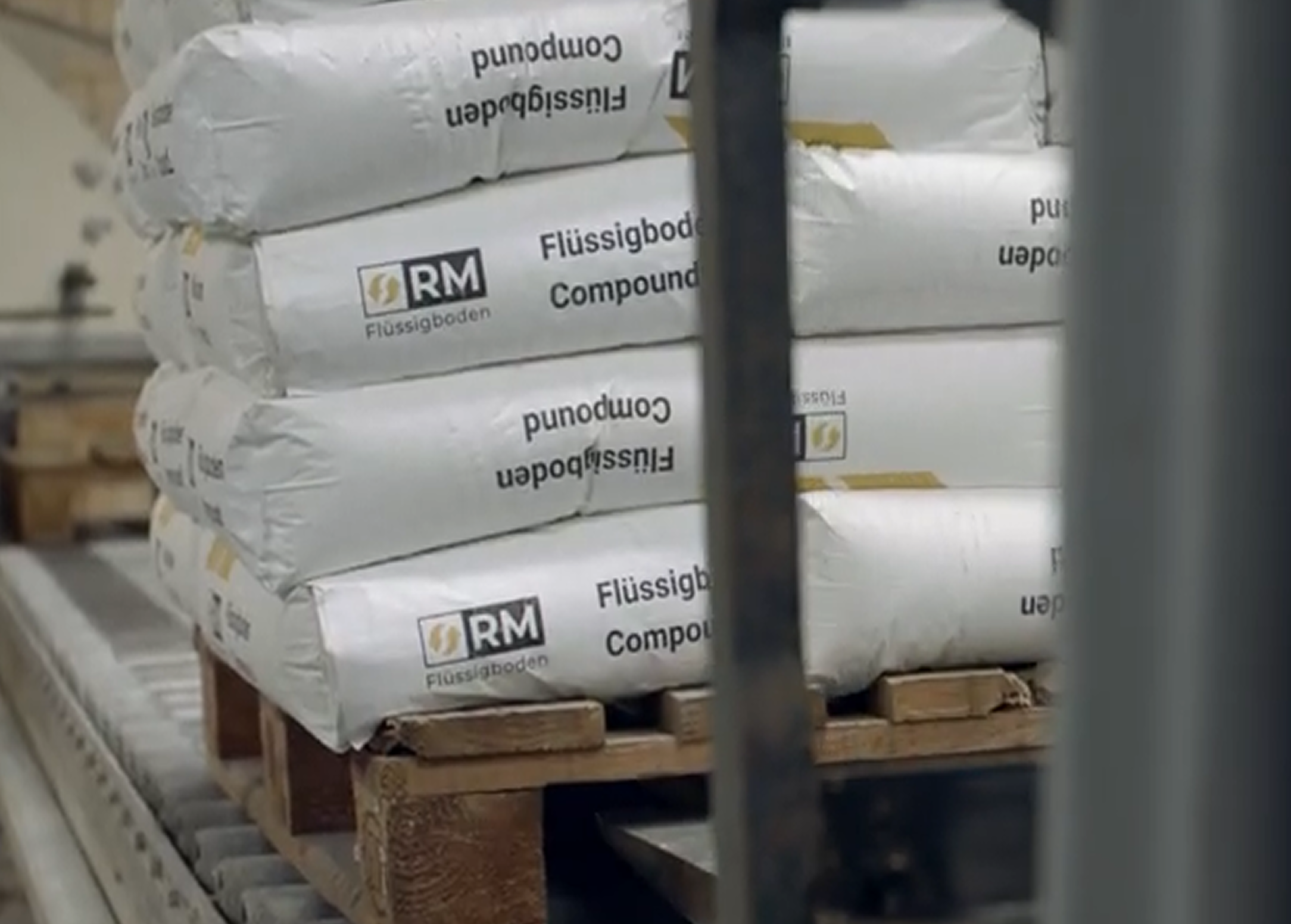
Compound is a mixture of binders and additives, which is mixed with the original soil and water.
The recipe determines the proportions of soil, water and binding agents in order to produce the desired properties of the soil.
Liquid soil compound consists of derivatives of naturally occurring clay minerals. There is also cement and — depending on the intended use — special lime or accelerator. The compound is mixed with water and soil (or RC material) to form liquid soil.
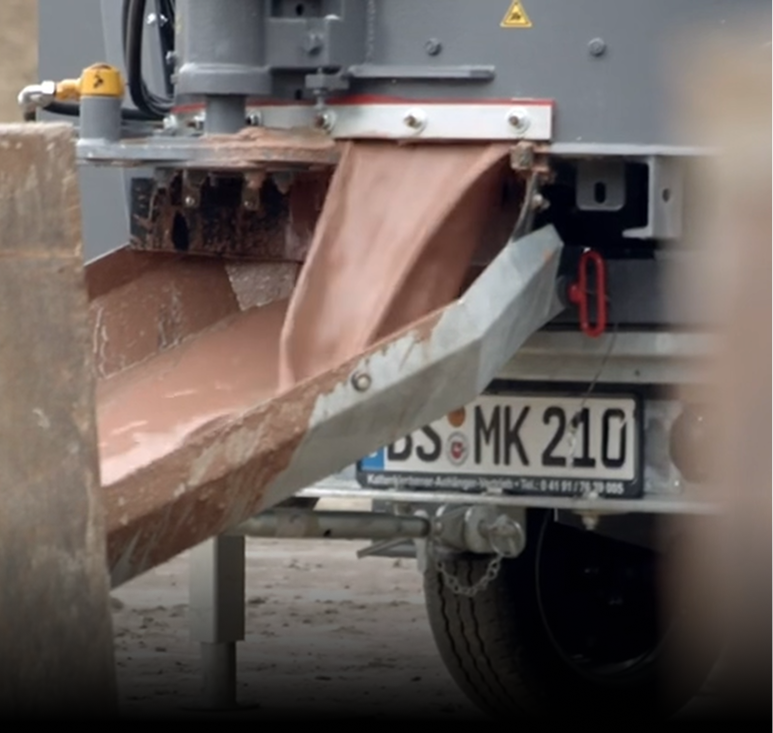
The process begins with the production of an individual recipe for the construction site. This is necessary because the individual soil conditions of the construction site must be taken into account in order to produce the desired properties of the liquid soil. The soil is also checked for possible pollutants so that pollutants can be incorporated into the recipe for environmentally friendly reuse of the soil. The recipe is delivered to the construction site together with the required quantity of liquid soil compound. The excavated soil is prepared (sieved). The material is homogeneously mixed with water, binders and, if necessary, additives using mixing systems (such as the RM10plus Hybrid or CM30plus Hybrid). This mixing process creates a flowable mass that can be easily introduced into trenches or cavities — even in complex geometries or hard-to-reach areas. The liquid soil can be let directly into the excavation pit via the mixing plant, or pumped to the backfill location via pumps.
After introduction, the so-called solidification phase begins, during which the liquid soil solidifies. Depending on the composition, there is a fixed load capacity and solubility. Ideal for pipe trenches, pipe laying or in sewer construction.
The use of liquid soil offers numerous technical, economic and environmental benefits:
Liquid soil is particularly suitable for civil engineering, road construction, pipeline construction and inner-city construction sites. Typical areas of application are:
The composition of the liquid soil is individually adapted to the requirements of the project. Our team of experts at RMS Remake Soil GmbH develops special recipes that take flow behavior, solidification time, load-bearing capacity and environmental aspects into account. Quality is ensured through in-house and external monitoring — for maximum safety and predictability.
At RMS, you can get liquid soil in various types and packaging:
Liquid soil is an intelligent and sustainable building material concept that makes modern construction processes more efficient, safer and more resource-saving. Whether for inner-city excavation pits, large infrastructure projects or sensitive environmental areas — with the right formulation, liquid soil is the perfect solution for sustainable construction.
Contact us — we will be happy to provide you with individual and project-related advice.
We advise you personally and prepare an individual offer

René Radmacher, Managing Director